When You Exercise Matters Almost as Much as What Exercise You Do for Blood Sugar
The same walk produces meaningfully different blood-sugar effects depending on when it happens relative to a meal. Exercise timing gets far less attention than exercise type in most blood-sugar advice, even though the timing choice alone can be the difference between a walk that meaningfully flattens a glucose spike and one that barely registers.

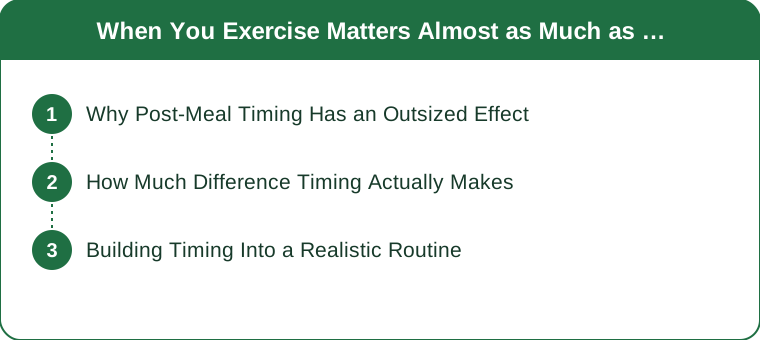
Why Post-Meal Timing Has an Outsized Effect
The mechanism: the the-muscle-glucose-uptake-during-digestion (the working muscles pulling glucose directly from the bloodstream for fuel during activity, which is especially impactful during the post-meal window when glucose is actively entering the bloodstream from digestion, per general glucose-metabolism research), the the-10-to-15-minute-window (a short walk beginning within roughly 10-15 minutes after eating showing a measurably larger blunting effect on the post-meal glucose spike than the same walk done an hour or more later), the the-effect-diminishes-with-delay (the same activity done well after digestion has progressed missing much of that acute spike-blunting window, even though it still carries general fitness benefit).

How Much Difference Timing Actually Makes
The comparative scale: the the-short-post-meal-walks-rival-longer-delayed-ones (a brief 10-15 minute walk right after eating producing glucose-response benefits comparable to a considerably longer walk taken at a random unrelated time, based on comparative glucose-response studies), the the-consistency-across-meals-compounds (the repeating the post-meal-walk timing across multiple meals in a day producing a cumulative flattening effect on daily glucose variability, not just a single-meal effect), the the-intensity-matters-less-than-timing-here (a light-to-moderate walk being sufficient for this specific effect, meaning the timing lever matters more than pushing intensity for this particular benefit).
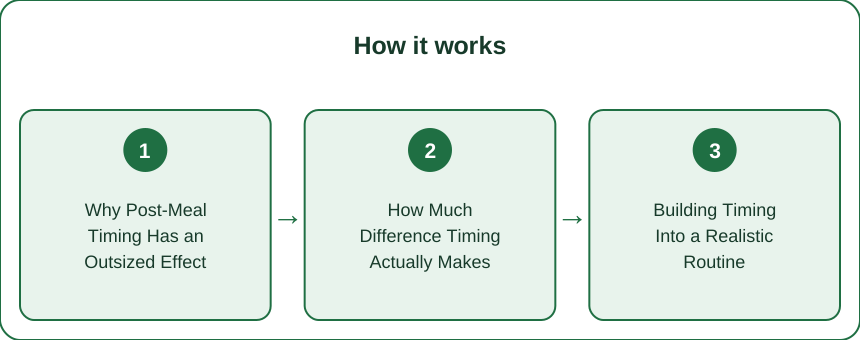
Building Timing Into a Realistic Routine
The practical structure: the the-anchor-to-existing-meals-not-a-separate-workout-block (the treating the post-meal walk as an extension of the meal routine rather than a separate scheduled workout, which improves consistency), the the-any-movement-counts-in-the-window (household movement or a short errand within the same window counting toward the same effect, not requiring a dedicated walk specifically), and the frame (a short walk right after eating beats a longer one at a random time for blood-sugar purposes specifically)).
Blood-sugar advice tends to focus heavily on exercise type and duration while underweighting exercise timing, even though timing alone can be the deciding factor in how much a walk actually blunts a glucose spike. Working muscles pull glucose directly from the bloodstream during activity, and that effect is especially pronounced during the post-meal window when digestion is actively releasing glucose — a brief walk starting within 10 to 15 minutes of eating produces a measurably larger blunting effect than the same walk taken an hour later, once much of that window has passed. Comparative research finds that a short post-meal walk can rival a considerably longer walk done at a random time for this specific purpose, and the effect compounds when repeated after multiple meals across a day. The practical version doesn’t need to be a dedicated workout — a short walk or even household movement anchored right after eating captures most of the benefit. When You Exercise Matters Almost as Much as What Exercise You Do for Blood Sugar.
Keep Reading
This article is for general informational purposes only and is not medical advice. Always consult a qualified health professional for guidance specific to you.